
Autism and HIV: Are Retroviruses the Missing Link?
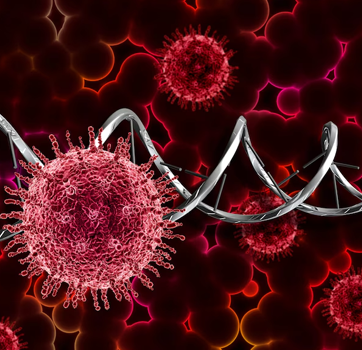
Autism and HIV are two completely different illnesses that affect people in very different ways. Autism, which is also known as Autism Spectrum Disorder (ASD), primarily affects how people connect with others, behave, and talk. If you don’t treat HIV, on the other hand, it can turn into AIDS and attack your immune system. Recent conversations have pointed to a possible link between the two, with some suggesting a link through retroviruses, even though the two are different. At first glance, the causes and results of these conditions may not seem connected. However, a closer look at their connection shows that they may overlap.
Autism: What Causes It and What Are the Trends?
The number of people diagnosed with Autism Spectrum Disorder (ASD) has risen considerably in recent decades. Autism symptoms vary by person, ranging from minor speech problems to severe behavioral issues. Several possibilities have been offered to explain this increase, ranging from genetic changes to external factors. Researchers determined that parental age, chemical exposure, and even linkages to retroviruses may all contribute to the rise in autism cases.
Some academics, notably Hamid Moussavian, M.D., believe that retroviral infection is contributing to a rise in autism cases. Dr. Moussavian believes that certain retroviruses, such as those associated with HIV, can produce genetic changes that affect how children’s brains grow. In his work, he discusses how these retroviruses might alter or modify chromosomes, increasing a child’s risk of developing autism.
Although further research is needed, the potential that retroviruses can affect genetic material opens up new paths for understanding what causes autism. Virus-induced genetic changes have been found to affect a wide range of body systems, including the immune system and brain development. Autism diagnoses are assumed to have grown in recent decades, potentially as a result of greater exposure to retroviruses.
HIV: Causes and Effects on the Body: HIV is mainly transmitted through unprotected sexual contact, needle sharing, and delivery. The virus targets the immune system, namely CD4 cells, making infections more likely to spread. If you do not get appropriate HIV therapy, you risk acquiring Acquired Immunodeficiency Syndrome (AIDS), which is highly damaging to your immune system.
Retroviruses, including HIV, can connect to the host’s DNA. This could have long-term repercussions, even if the infection does not result in AIDS straight immediately. This component of HIV has raised concerns that it will cause mutations or other changes in the body. HIV research has focused mainly on HIV management and treatment. However, there is rising worry regarding the impact of retroviruses like HIV on other health consequences, such as neurological and developmental disorders like autism.
Retroviruses and Autism: A Possible Link
The study of retroviruses, such as HIV, has been conducted to ascertain the mechanisms by which they modify genetic material and induce a variety of health complications. Certain retroviruses may not directly cause autism, but they may be linked to genetic alterations that increase the probability of its occurrence, according to Dr. Moussavian. His research indicates that parents who have been exposed to retroviruses may be able to transmit genetic abnormalities to their children, thereby increasing the likelihood of autism.
Dr. Moussavian’s research yielded a key finding: retroviruses may modify how the immune system functions, influencing neuron growth. People with weakened immune systems may be more likely to develop autism or other developmental disorders. This could be attributed to genetics or exposure.
Dr. Moussavian outlines how people who have been exposed to retroviruses are more likely to acquire autoimmune diseases and nerve disorders like fibromyalgia and MS. This lends support to the hypothesis that retroviruses can cause diseases other than those they are known to cause, including neurological disorders like autism. Furthermore, the fact that a rising number of people with autism live in locations where retroviruses like HIV are common implies a possible link that should be researched further.
Problems and Research:
The idea that a retrovirus could be associated with autism is intriguing, but it remains only a theory until more comprehensive clinical research is undertaken. We now know that both inherited and environmental causes cause autism. Retroviruses have only recently entered the picture. However, as Dr. Moussavian points out, higher autism rates appear to be associated with the advent of retroviruses such as HIV.
There is no confirmed link between HIV and autism. Instead, the two could be influenced by each other through retroviruses. More research is needed in this area to understand how much retroviral exposure influences the development of autism, either through genetic alterations passed down or by environmental exposure during critical stages of development.
Conclusion:
Although autism and HIV are fundamentally different disorders, they may have an unexpected link: retroviruses. Autism rates are increasing, and retrovirus illnesses like HIV are becoming more common. This leads me to conclude that there is a deeper relationship between genetic changes and weakened immune systems. These possibilities are still being studied, but the potential link between retrovirus exposure and autism provides a fresh route for research into both illnesses. We hope to understand more about what causes autism and how retroviruses affect overall health by further looking at this potential link.