
The Unseen Connection: HIV, Autism, and the Role of Retroviruses
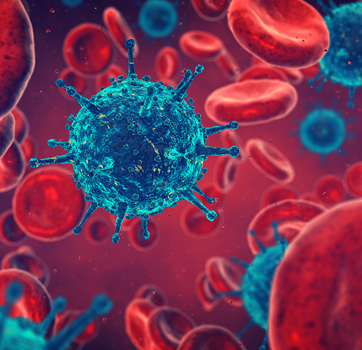
In his book, The Correlation of HIV and Autism, Dr. Hamid Moussavian examines his medical practice and presents an unusual yet compelling theory: retroviruses, including HIV, may be implicated in conditions beyond those typically linked to them. Dr. Moussavian has extensive experience as a physician and is presently exploring the potential involvement of these viruses in the etiology of conditions such as autism, irritable bowel syndrome (IBS), and autoimmune illnesses. His study illustrates the significance of clinical knowledge and presents a persuasive argument for further investigation into the correlation between retroviral infections and various long-term health complications.
The book’s main point is that retroviruses, such as HIV, may have a role in the development of chronic disorders such as autism, IBS, MS, and other inflammatory ailments. Dr. Moussavian employs personal evidence to demonstrate parallels in his medical practice. This shows that retroviral infections may be responsible for a broader spectrum of health problems than mainstream medicine acknowledges.
The author begins by discussing the contributions of Abu Ali Ibn Sina (Avicenna), a historical figure who significantly impacted medicine due to his emphasis on clinical observation. Dr. Moussavian’s method aligns with this viewpoint, emphasizing the need for thorough, real-world clinical observations depending exclusively on test results.
Clinical Observation and Retroviruses:
Dr. Moussavian’s insights stem from his experience working at mental health facilities in Jersey City and East Harlem. He observed youngsters from dysfunctional families and noticed depigmentation patterns on their lips, prompting him to suggest a link between these symptoms and the human papillomavirus (HPV). He later hypothesized that retroviral infections, such as HIV, may be more common and cause a range of symptoms, including these depigmentation markers.
Dr. Moussavian studies how some disorders associated with aging are becoming more widespread in younger groups. These include deep vein thrombosis, Parkinson’s disease, and autoimmune disorders, which he believes are linked to retroviral infection.
The Link Between HIV and Autism:
One of the book’s most intriguing claims is the potential link between HIV and autism. Dr. Moussavian believes that exposure to retroviruses by one or both parents may be contributing to the rise in autism diagnosis. He observes that autism rates have risen dramatically from the 1970s and 1980s, coinciding with the increased distribution of retroviruses like HIV.
The author talks about many times in his career as a psychiatrist when he saw autistic kids whose parents had autoimmune diseases or signs of retroviral infections. Consequently, he proposed that genetic alterations induced by retroviruses may contribute to the etiology of autism. He explicitly states that his findings are derived from clinical observations and indicate the necessity for more research in this domain.
Medical and Social Criticism:
Dr. Moussavian also criticizes the medical and pharmaceutical companies, claiming that they place too much emphasis on treatments and solutions rather than addressing probable underlying causes of diseases such as IBS, gluten sensitivity, and even autism. He emphasizes the exorbitant expense of drugs and wonders why, after decades of research, a reliable HIV vaccine has not been developed despite the relatively quick development of a COVID-19 vaccine.
Call for Future Research:
The book finishes with a strong appeal for a more extensive investigation into the function of retroviruses in chronic diseases. Dr. Moussavian feels that clinical patterns should be studied more closely and that retroviruses may play a more prominent role in various health disorders than is now understood. He encourages scholars to validate or refute his findings through severe scientific examination.
Conclusion:
The Correlation between HIV and Autism is a thought-provoking manuscript that challenges standard medical thinking. While not supported by comprehensive peer-reviewed research, Dr. Moussavian’s clinical observations provide a unique viewpoint on the potential linkages between retrovirus infections and chronic health disorders, including autism. His proposal for additional research in this area urges the medical community to move beyond current paradigms and investigate new avenues for comprehending the complex nature of diseases.