
Why You Need to Read “The Correlation of HIV and Autism” by Dr. Hamid Moussavian
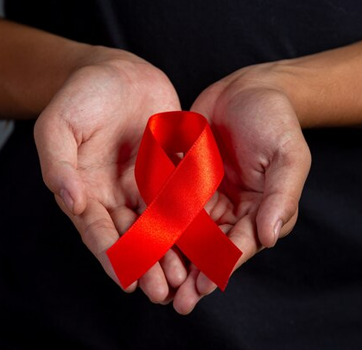
In “The Correlation of HIV and Autism,” Dr. Hamid Moussavian takes readers on a fascinating journey through the junction of infectious diseases and neurological disorders, delivering remarkable insights into a complex medical issue. This book is a valuable contribution to the medical community and anybody interested in the ongoing progress in understanding autism. Here’s why this text is valuable:
1- A Fresh Perspective on Autism:
Autism Spectrum Disorder (ASD) has long been a focus of medical research and public concern, with numerous theories explaining the rise in diagnostic rates over time. Dr. Moussavian presents a thought-provoking proposal that links the increase in autism to retroviral diseases like HIV. This perspective is not widely discussed in mainstream medical literature, offering readers a novel and potentially groundbreaking viewpoint. His approach challenges traditional beliefs and encourages the scientific community to reconsider the biological factors that may contribute to autism.
2- Bridging Historical Insights with Modern Observations:
Dr. Moussavian provides a thorough historical context that enhances the reader’s understanding of medical progress related to viral infections and neurological conditions. He draws on his extensive experience and observations from decades of clinical practice, giving an authentic voice to the narrative. This blend of historical and current medical practice offers a comprehensive view that is both educational and engaging, making complex subjects accessible to a broader audience.
3- Advocacy for Enhanced Observational Skills:
At the heart of Dr. Moussavian’s methodology is a strong endorsement of clinical observation—a crucial skill in medical diagnostics that seems to wane in the face of technological advancements. By highlighting detailed patient interactions and clinical findings, he advocates for a more attentive form of medicine that values direct observation as much as diagnostic testing. This approach humanizes the medical process and exemplifies how a meticulous observational method can lead to better patient outcomes.
4- A Call for Comprehensive Research:
The hypothesis proposed by Dr. Moussavian serves as a starting point for further research. He presents his findings and calls on the medical research community to undertake more comprehensive studies to investigate the potential links between retroviruses and autism. This proactive stance will likely inspire new research initiatives, potentially opening new avenues for treating and understanding ASD.
5- Educational and Empowering:
Dr. Moussavian has successfully translated “The Correlation of HIV and Autism” into an educational tool that empowers readers by explaining complex medical language and theories. The book is meant to be understandable to persons without a medical background and detailed enough to be valuable to medical professionals. This makes it an excellent educational resource for anyone who wants to understand more about HIV, autism, and their potential relationships.
6- Inspiring Lifelong Learning and Curiosity:
The book exemplifies Dr. Moussavian’s commitment to lifelong learning and his curiosity-driven approach to medicine. Readers will likely find inspiration in his dedication to exploring uncharted territories in medical science. His career-long pursuit of knowledge and understanding showcases the importance of keeping an open mind and continually questioning established norms.
Conclusion:
More than merely a medical text, “The Correlation of HIV and Autism” by Dr. Hamid Moussavian is a must-read discussion of the likely connections between infectious diseases and neurology that is presented intelligently and appealingly. The book is a vital addition to the libraries of medical professionals, students, and anyone interested in the continuing discussion surrounding autism and the future of medical research because of its practical and lucid observations. Dr. Moussavian encourages readers to participate in a broader debate to enhance our comprehension of autism via a holistic approach by bridging gaps between medical specialties.